The details are the
argument.
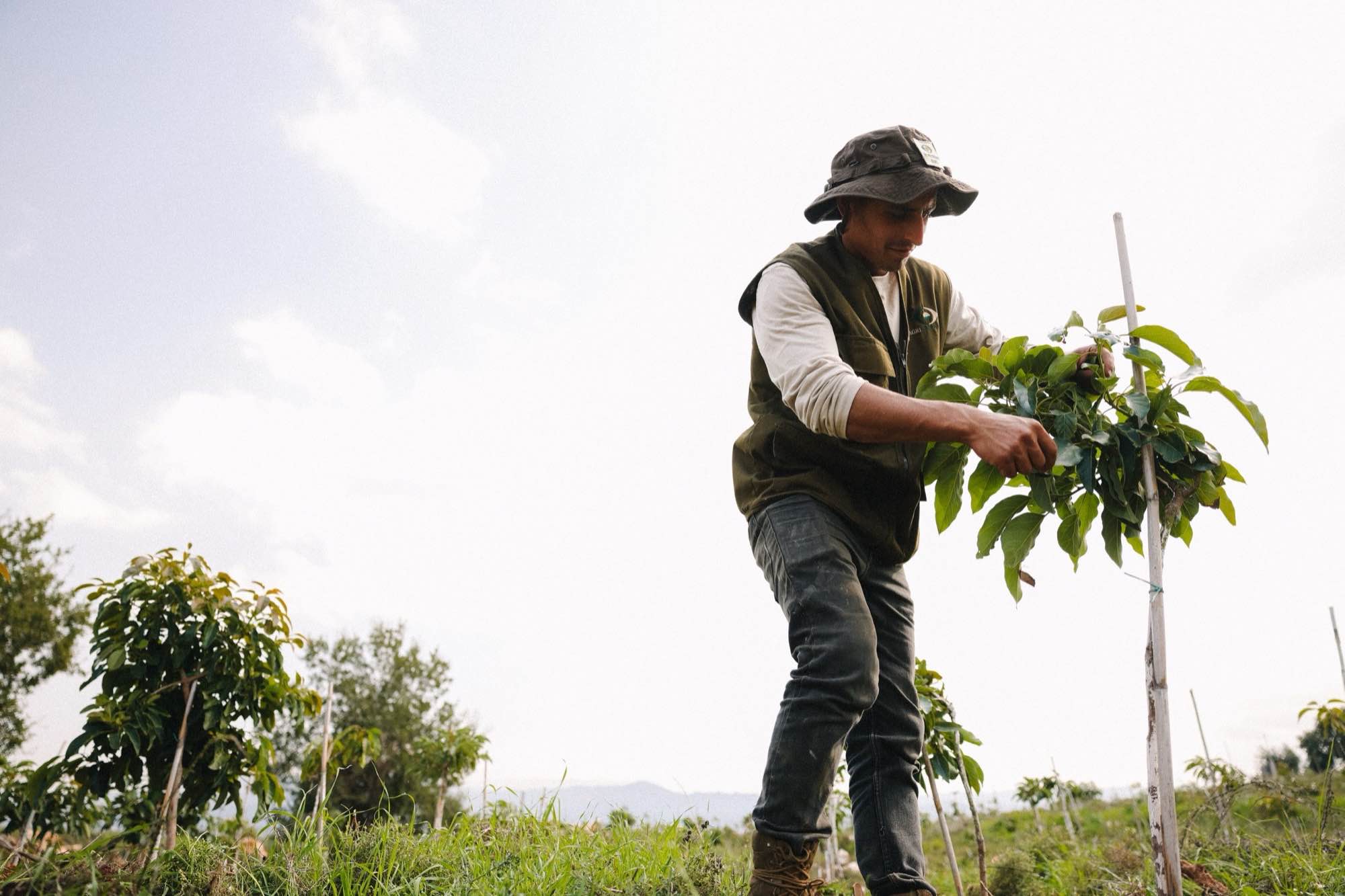
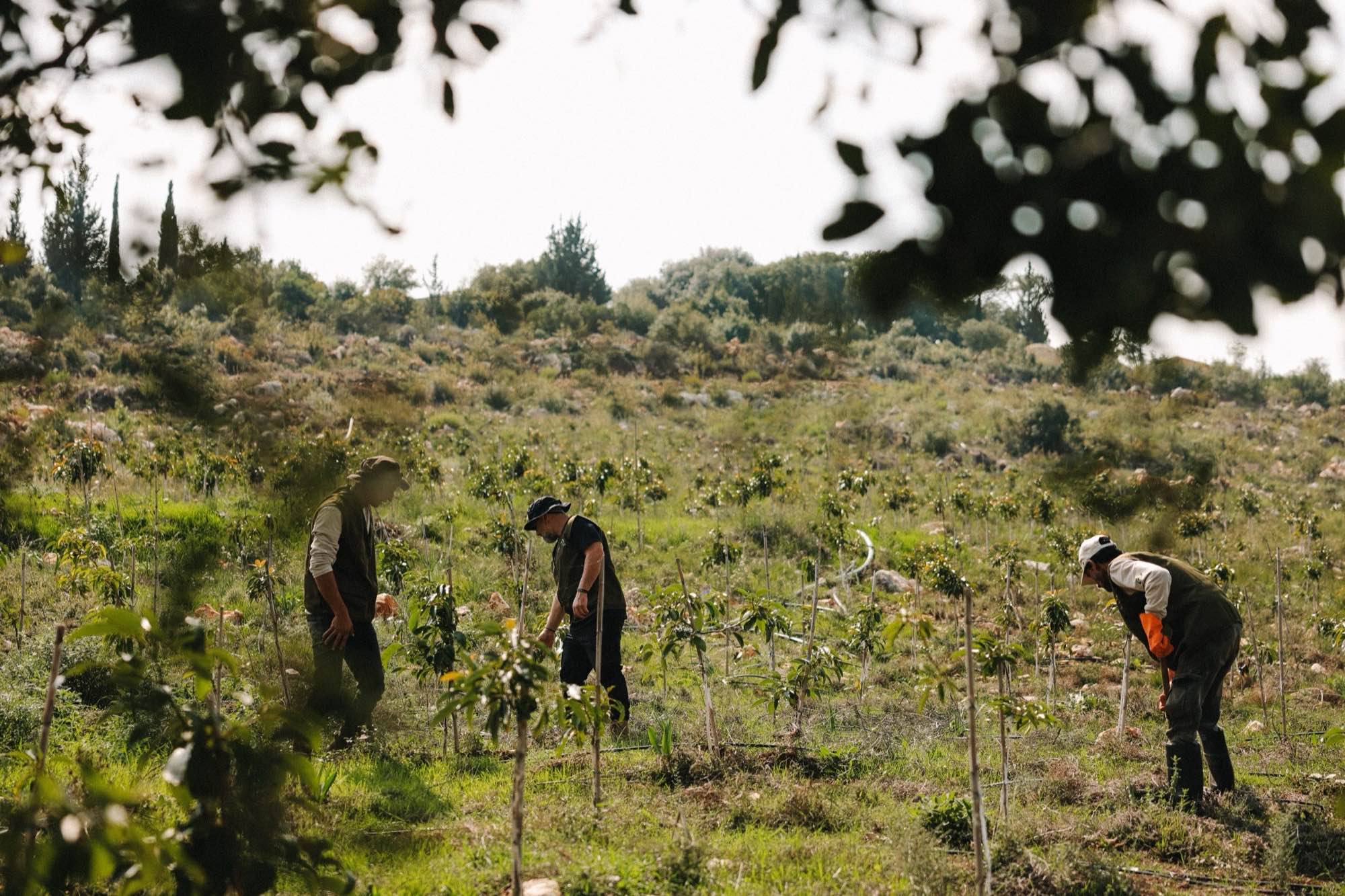
Every farm calls itself sustainable. The difference is whether it can tell you how. Ours runs on sunlight, waters tree by tree, feeds its ground rather than stripping it, and is working toward organic certification as the orchard matures.
Get in touch →Run on sunlight.
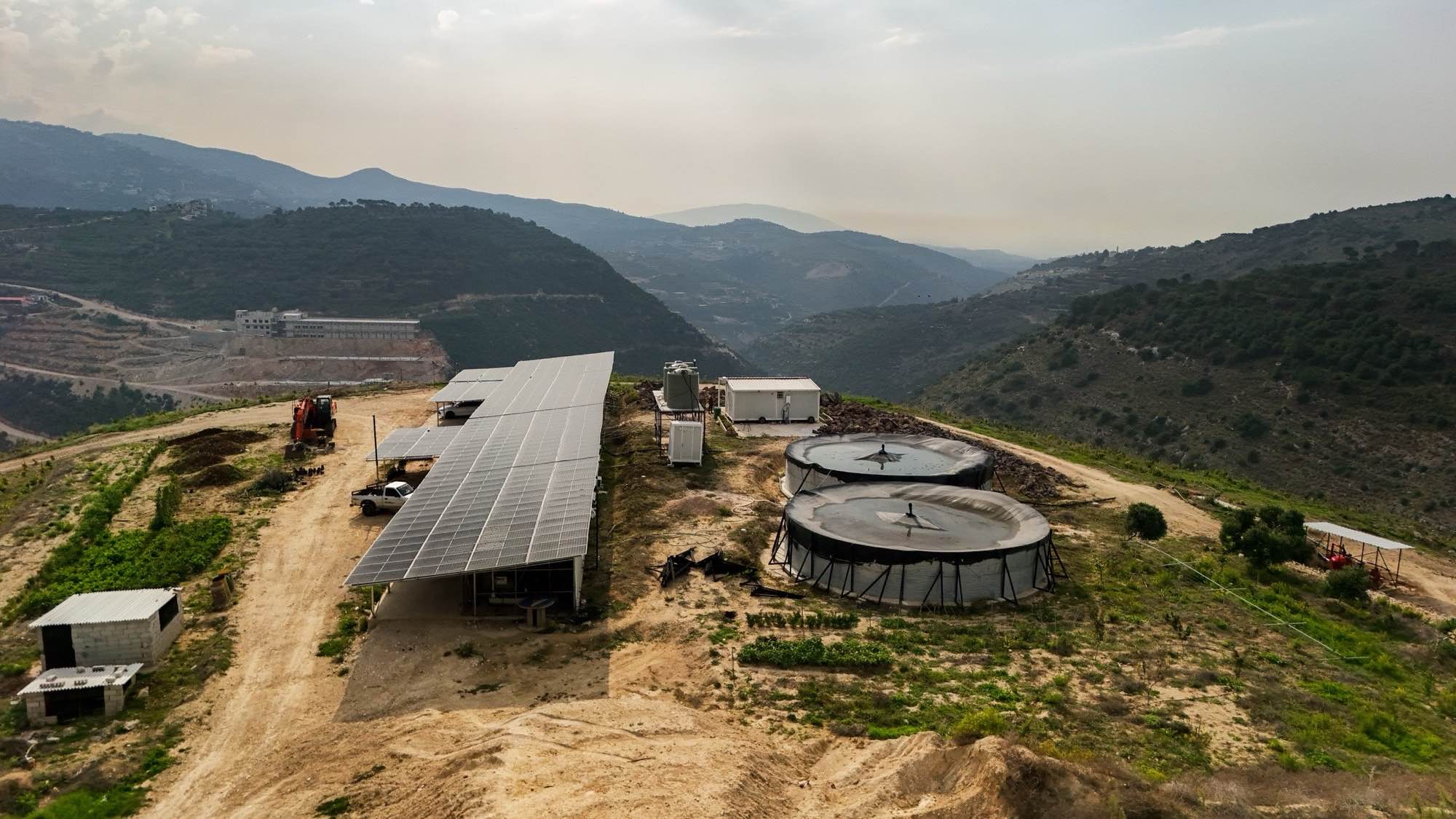
The farm is not connected to the grid. More than 350 solar panels raise the water, feed the irrigation and light the site, with batteries through the night. A generator stands by for the rare day it is needed.
The array was built larger than the pump requires, so the water keeps moving when the sky is grey. That margin is the difference between a system that works on paper and one that works in February.
Measured to the
drop.
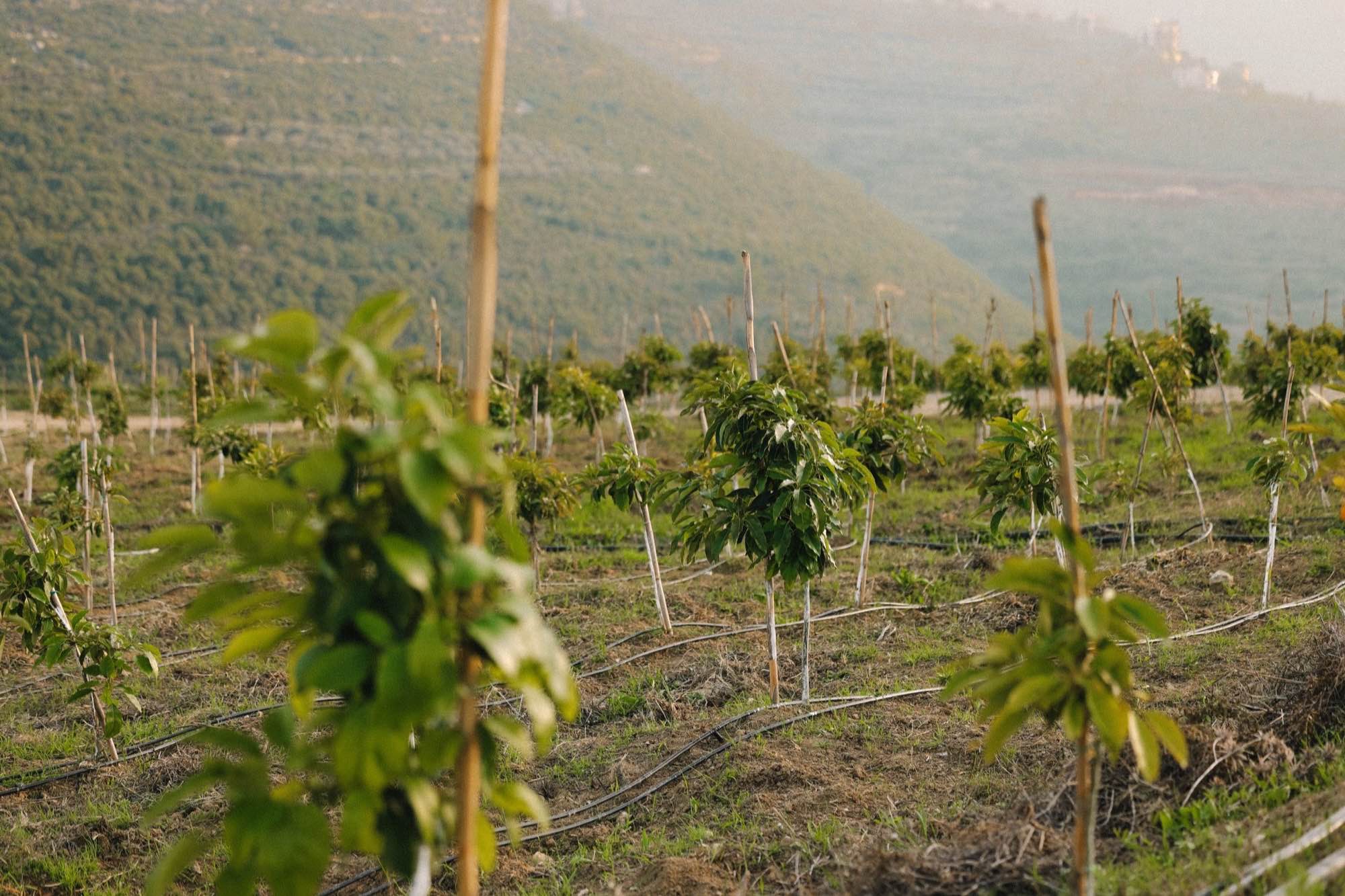
Water reaches each tree by drip, in the amount that tree needs. Storage holds what the spring delivers so that nothing is drawn in haste, and a second source arrives in 2027 to take the pressure off the first as the orchard grows.
Looking after the
ground.
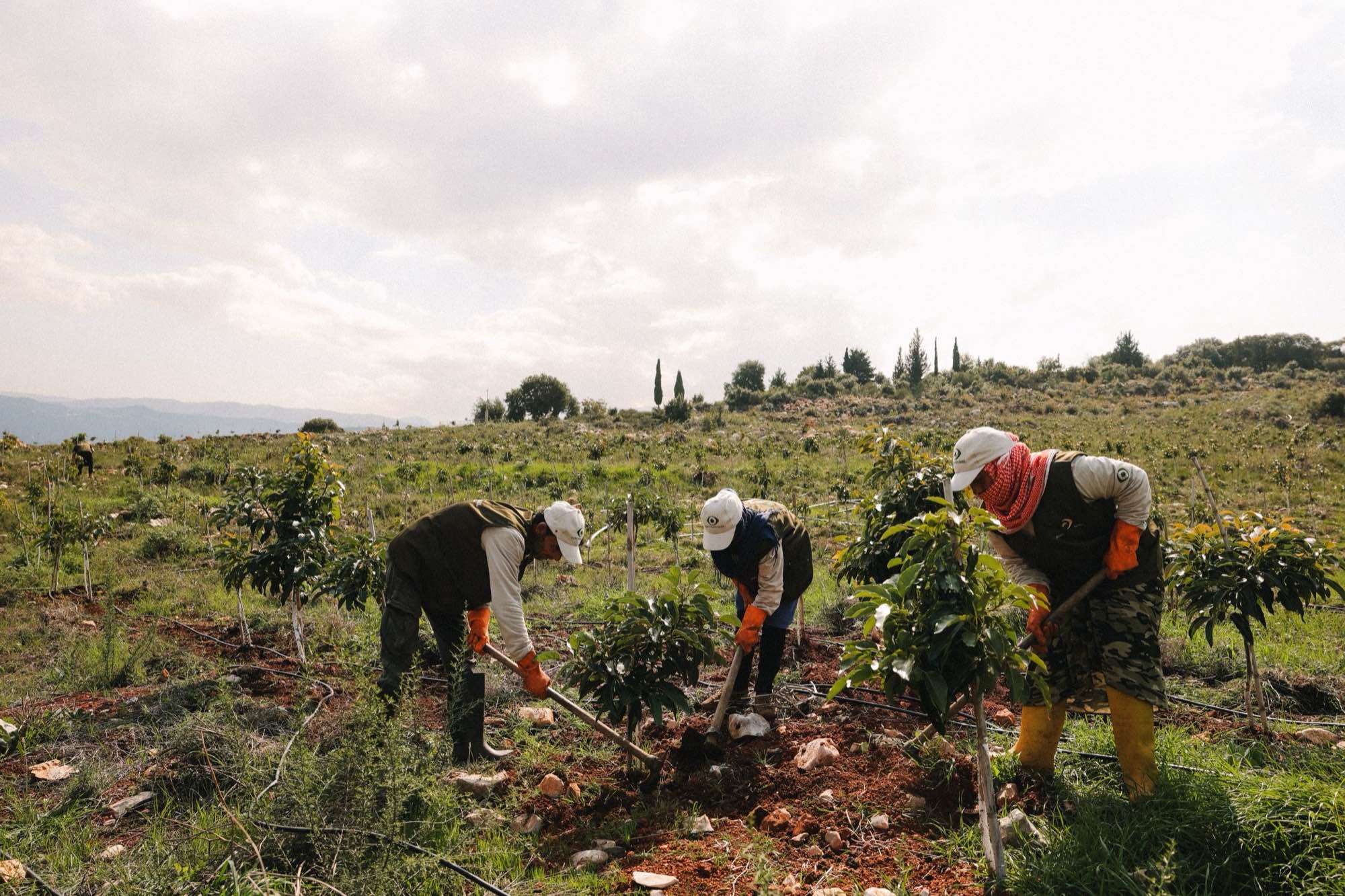
Soil is the part of a farm that is easiest to spend and hardest to rebuild. Our aim is to leave ours in better condition each year than the last - organic matter returned to the trees, ground cover kept where it helps, and feed delivered in measured amounts through the irrigation rather than spread across the land. Between the rows, weeds are mown rather than sprayed
Where we are
headed.
The orchard is being farmed toward organic certification as it matures. We are not certified today and we do not claim to be - but the practices are being put in place now, while the trees are young, rather than retrofitted later.